

Cart is empty. Please go to your home page for listing it.
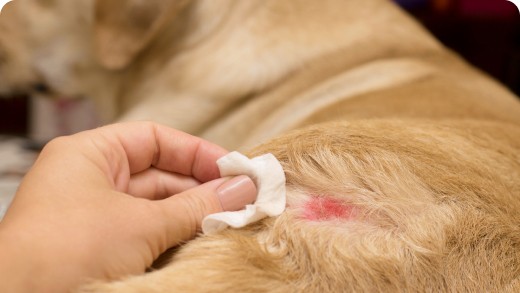

Ticks are spider-like, egg-shaped, blood-sucking creepy crawlies; relatively small and parasitic in nature. Easily adaptable they can survive in various environments such as the woods, the beach, grass, lawns, forests, and even in urban areas. Ticks aren’t picky eaters: they suck the blood of mammals, birds, and even other insects for their nutrition.
When a ticks bites your dog they are capable of carrying various infectious organisms, and cause illnesses like Lyme disease, Babesiosis, and Ehrlichiosis. Pathogen transmission can occur as soon as three to six hours of the bite, so the sooner you remove the tick the less chance there is that your dog will get sick.
DOs
DON’Ts
Prevent future bites
To get ahead of the problem, tick checks should be a part of your daily routine. Start by running your fingers or a fine tooth flea comb slowly over your dog’s entire body. Look between the toes, inside the ears, around the neck, in the fur, and between the legs and carefully scan for ticks. Wash your pet’s bedding weekly, and bathe your pet with a medicated pet shampoo. Mow areas of the lawn and keep bushes short around where your dog spends time.


0 COMMENTS